Key takeaways
- Learn how to choose the best quality silicone hoses for engine cooling, vacuum and turbo lines, with fitment, ply, temperature and clamp checks before you buy.
As an Amazon Associate we earn from qualifying purchases.
Rubber hoses age quietly until one of them fails at the worst possible moment, so the real decision is not whether to upgrade to silicone but which kind of silicone hose fits your engine, your cooling system and the way you drive. A direct-fit radiator kit, a universal length of vacuum hose and a reinforced intercooler coupler all look similar on a shelf, yet they solve different problems, and buying the wrong one means leaks, collapsed lines or a hose that simply does not reach.
This guide is written for daily drivers replacing tired factory rubber, performance enthusiasts chasing reliable cooling under boost, restorers refreshing an older engine bay, and DIY mechanics building custom turbo or intercooler plumbing. The advice below draws on the specifications manufacturers list on their Amazon product pages, including ply counts, temperature ratings, inside diameters and included hardware, so you can compare options on the numbers that actually matter.
Why Silicone Makes Sense in the Engine Bay
Rubber hoses harden, crack and swell as they cycle through heat, coolant, oil vapour and ozone year after year, and once the inner wall starts to degrade, a hose can burst without much warning. Silicone stays flexible across a far wider temperature range, resists ozone and UV damage, and holds its shape under pressure instead of ballooning at weak points. That is why silicone has become the default upgrade for radiator hoses, heater hoses, vacuum lines and intercooler couplers on cars that are driven hard or kept for the long term.
Silicone is not a magic material, though, and quality varies a great deal between products. The best hoses use multiple layers of silicone with heat-resistant embedded fibres, consistent wall thickness and smooth inner bores that do not restrict flow. Cheaper hoses may use thin walls, uneven reinforcement or compounds that weep coolant at the clamps. Knowing how to read a product page and spot those differences is what separates a hose that lasts a decade from one that starts seeping within a year. Silicone also stays flexible in cold weather, so winter starts put less strain on the connections than rubber that has gone stiff overnight, and it does not take a permanent set from being clamped in one position for years.
How to Choose
Match the Hose to the Job
Engine hoses fall into a few distinct jobs, and each one needs a different construction. Radiator and heater hoses carry hot coolant under pressure, so they need thick walls, multiple plies and a rating comfortably above your coolant temperature. Vacuum hoses carry small amounts of air to sensors and actuators, so a thin, flexible hose in the right inside diameter matters more than brute strength. Turbo and intercooler couplers connect pressurised intake piping, so they need strong reinforcement to resist ballooning under boost. A hose sold for one job can fail quickly in another, so name the system you are replacing first, then look for a product described for that exact use.
Check Ply Count and Wall Thickness
Ply count describes how many layers of silicone and reinforcing fabric are wrapped into the hose wall, and it is one of the clearest quality signals on a product page. A basic universal hose might use two or three plies, which is often fine for low-pressure vacuum lines, while radiator and intercooler hoses usually use four or five plies with embedded heat-resistant fibres. Wall thickness matters too: a thicker wall resists collapse under vacuum and ballooning under pressure, and it gives clamps more material to bite into without cutting through. Look for listings that state both numbers in millimetres or inches, and treat a listing that mentions neither as a warning sign.
Confirm Temperature and Pressure Ratings
Every hose in the engine bay lives in a hot, pressurised environment, so the temperature and pressure ratings on the product page deserve a close read. Many well-known silicone radiator hose kits list a maximum temperature around 330 degrees Fahrenheit, which leaves comfortable headroom above normal coolant temperatures, while high-grade vacuum hoses often list an even wider range, sometimes from minus 40 degrees Celsius up to 220 degrees Celsius. Pressure ratings matter just as much for turbo and intercooler couplers, where boost pressure can spike sharply. Compare the listed rating with the conditions in your engine, allow a generous margin, and remember that a hose rated only just above your operating temperature will age faster than one with real headroom.
Get the Fitment and Clamps Right
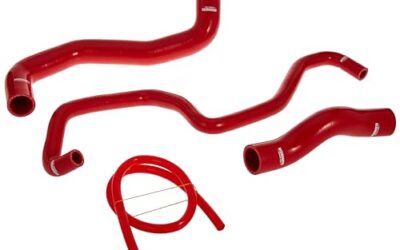
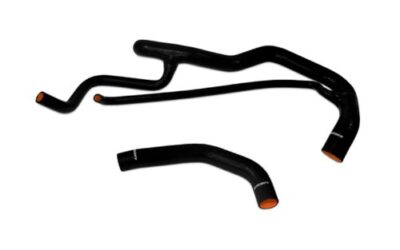
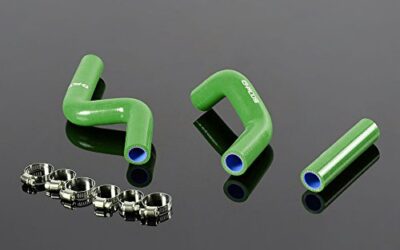
A hose that does not fit is useless, no matter how good its material is, so fitment deserves as much attention as the silicone itself. Direct-fit kits are moulded to follow the factory routing of a specific vehicle, which makes installation straightforward and keeps the hose clear of belts, fans and hot exhaust parts, but they only work on the exact year, make and model listed. Universal hoses are sold by inside diameter and length, so measure the pipe or fitting the hose will slide onto, then choose a matching diameter and enough length to make the run without stretching. Check whether clamps are included, and if not, buy quality worm-gear or T-bolt clamps in the right size range.
Which One Fits Your Situation
Silicone hoses look similar in a photograph, so the situations below are the fastest way to narrow the choice. A daily driver that needs one cracked radiator hose replaced has different priorities from a tuned car running higher boost, and a weekend project car that sits in the garage for months has different needs again. Start with the engine bay you actually own: measure the hoses you are replacing, note the clamps and the tightest bends, and check which kits cover exactly those runs. The right kit is the one that fits your car without trimming or forcing, and the wrong one is the one that looks right online but fights you at every clamp.
Daily Driver Replacing Worn Rubber Hoses
If your car is a daily driver with a soft or swollen upper radiator hose, a direct-fit silicone radiator hose kit for your exact model is the simplest upgrade. It follows the factory bends, uses the original connection points and usually includes the clamps, so the job is a straightforward swap. Confirm the year range covers your car, and replace the thermostat and coolant at the same time if they are due.
Performance Build or Track Car
Track use and forced induction push coolant and intake temperatures far beyond daily driving, so look for four- or five-ply silicone hoses with embedded fibres and the highest temperature rating you can find. Direct-fit kits for your chassis keep routing clean under a crowded bonnet, while reinforced couplers handle boost pressure in the intake tract. Recheck every clamp after the first few heat cycles, since silicone can settle and loosen slightly as it beds in.
Custom Turbo or Intercooler Plumbing
Custom builds rarely follow factory routing, so universal straight hoses, reducers and elbows are usually the right choice. Measure every connection, buy the exact inside diameters you need, and use T-bolt clamps on pressurised joints for a stronger, more even grip than standard worm-gear clamps. Keep hose runs as short and straight as possible, support long sections so they cannot sag onto hot parts, and pressure-test the system before driving hard.
Classic Car Restoration or Engine Swap
Restorations and swaps often mix parts from different vehicles, which makes off-the-shelf kits a poor fit. Universal silicone hose in several diameters lets you bridge mismatched radiator and engine outlets, while reducer couplers step between different pipe sizes cleanly. Choose a neutral black finish for a period-correct look, trim hoses with a sharp blade for clean ends, and double-check clearance around steering, suspension and exhaust components before final assembly.
Common Mistakes
- Buying by colour instead of construction: a bright red or blue hose looks great in the engine bay, but colour says nothing about ply count, wall thickness or temperature rating, so always compare the specifications before choosing.
- Guessing the inside diameter: a hose that is even a millimetre too large will slip off under pressure, while one that is too small may not fit at all, so measure each fitting with calipers before ordering.
- Using a vacuum hose for coolant: thin vacuum hose is not built for hot pressurised coolant and can soften, swell or burst, so match the hose type to the fluid and pressure it will actually carry.
- Reusing old, corroded clamps: worn clamps cut into silicone, lose tension and cause slow leaks, so replace them with new clamps sized to the hose and tighten them to the manufacturer’s guidance.
- Skipping the post-install check: silicone can settle after the first heat cycles, so recheck every clamp, look for weeping at the joints and top up the coolant after the first few drives.
Frequently Asked Questions
How long do silicone engine hoses last?
A well-made silicone hose can last many years longer than a rubber equivalent, often outliving several coolant changes, because silicone resists heat, ozone and UV damage far better than rubber. Actual service life still depends on the quality of the hose, the temperatures it sees and whether the clamps are kept tight, so inspect hoses at every service and replace any that feel soft, swollen or brittle.
Can I use a universal silicone hose instead of a direct-fit kit?
Yes, a universal hose works well when you know the exact inside diameter and length you need, and it is often the only option for custom builds, swaps or older cars with no kit available. Direct-fit kits are easier for standard cars because they are moulded to the factory routing, so choose universal hose only when you are comfortable measuring, cutting and routing it yourself.
Do silicone hoses need special clamps?
Silicone hoses work with standard worm-gear clamps in most cases, but the clamps must be sized correctly and tightened evenly, since silicone is softer than rubber and can be damaged by overtightening. T-bolt clamps are a better choice for pressurised turbo and intercooler joints, and many kits include suitable clamps, so check the product page before buying extras.
Are silicone hoses safe for coolant and oil exposure?
Quality silicone hoses are designed for coolant, water and the oil vapour found in engine bays, and they resist chemical degradation far better than rubber. They are not suitable for every fluid, though, so check the product page for the fluids it is rated for, and use dedicated fuel or oil lines where the manufacturer specifies them instead of a general-purpose silicone hose.
Final Checks Before You Buy
Before ordering, write down the inside diameter, length and job for every hose you need, then compare those numbers against the specifications on the product page rather than relying on the title alone. Confirm the temperature and pressure ratings leave real headroom, check whether clamps are included, and read the fitment notes for your exact vehicle if you are buying a direct-fit kit. Once the hoses arrive, inspect each one for even wall thickness and clean ends before installation, and keep the old hoses until the new ones are fitted and leak-free. If a listing leaves out the ply count, temperature rating or inside diameter, ask the seller for the missing numbers before ordering rather than guessing, and keep the part numbers on file so a future replacement is a quick reorder. A few minutes of checking up front is what turns a silicone upgrade into a fit-and-forget improvement instead of a return.