
Key takeaways
- Four-tab locking lids suit sauces, soups and anything you carry in a bag.
- Vented or loose-fit lids are easier to use in the microwave, but are less suited to transport.
- Replaceable lids are a sensible tiebreaker; some lines sell lids and gaskets separately.
For most weekly meal preppers, a set of single-compartment borosilicate or tempered glass containers with locking lids is the practical choice, while anyone who packs lunches with sides kept apart is better served by two- or three-compartment glass boxes. Setups that stay comfortably inside a $150 budget usually mean one large multi-piece set or two smaller sets, not a premium cookware collection, so the real decision is about lid design, glass type, weight and how you plan to reheat.
Our top picks

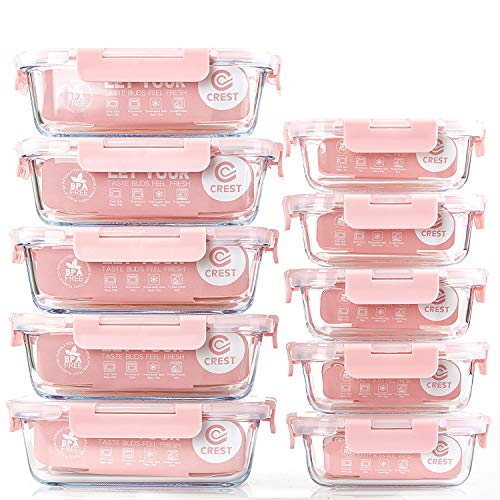
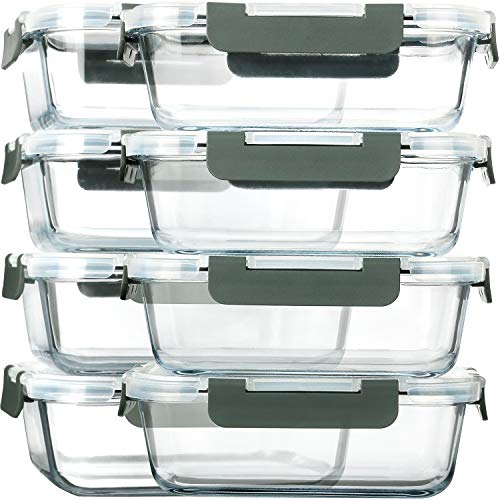

As an Amazon Associate we earn from qualifying purchases at no extra cost to you.
Quick comparison of the lines worth knowing
| Line | Best for | Key stated specs | Limits |
|---|---|---|---|
| Snapware Total Solution with Pyrex glass | Mixed storage and batch cooking, one set for everything | The maker lists Pyrex tempered glass for microwave and oven (preheated oven up to 450°F), freezer storage and top-rack dishwasher; four-tab locking lids with a write-and-erase surface | Lids are not for oven use; glass is heavy; no divided meal boxes in the classic sets |
| Prep Naturals multi-compartment glass | Divided portions, grab-and-go lunches | The maker lists borosilicate glass in a 34 oz three-compartment box plus 36 oz and 30 oz versions, with locking lids; glass listed as oven, microwave, freezer and dishwasher compatible | Bulkier stack; gasketed lids need careful drying |
| FIT Strong & Healthy glass | Compartment boxes with a seal on each section | Healthline’s roundup describes a leakproof inner seal on each compartment and microwave, oven, freezer and dishwasher use | The same roundup notes it is heavy and does not nest |
| Pyrex Mealbox (two-compartment) | Reheating in the microwave only | Healthline describes tempered glass with airtight lids, stain resistance, microwave, dishwasher and freezer use | Not oven-safe, and the containers do not nest |
| Duralex Lys bowls | Freezer-to-microwave bowls | Healthline describes tempered glass that is freezer-safe to -4°F and limited to 266°F | Not for the oven |
| Ello Duraglass | Buyers who worry about drops | Healthline describes glass with a silicone sleeve and an airtight, leakproof design | Heavy |
Glass type: tempered versus borosilicate
Both glass types appear in this category. Pyrex-branded Snapware sets are described by the maker as tempered glass, and Prep Naturals describes its bases as high-resistance borosilicate. In practice, the label matters less than the maker’s own temperature instructions. Both approaches are marketed for the freezer, microwave and oven, yet every maker also warns about thermal shock, so the safe habits are the same: do not move a container from the freezer straight into a preheated oven, do not place a hot dish on a wet or cold counter, and do not use a chipped or cracked piece.
Glass can shatter with sudden temperature changes, and makers such as Pyrex warn against it. That is worth taking seriously for meal prep, where containers shuttle between fridge, freezer and microwave all week. Let a frozen portion sit out briefly or move it to the fridge overnight before reheating, and vent the lid before microwaving.
Lids matter more than the glass
The glass usually outlasts the lid. Most sets use plastic lids, and every maker treats them differently from the glass body. Snapware’s 18-piece set page states the lids are not safe in the oven and should come off before heating; its lids are described with four locking tabs for an airtight seal. Prep Naturals lists locking lids. Where a lid has a removable gasket, take it off and dry it periodically, because trapped moisture and food residue can cause odours and mould.
- Four-tab locking lids suit sauces, soups and anything you carry in a bag.
- Vented or loose-fit lids are easier to use in the microwave, but are less suited to transport.
- Replaceable lids are a sensible tiebreaker; some lines sell lids and gaskets separately.
Size and shape planning for a week of prep
Snapware’s 18-piece Pyrex set contains nine containers: two 1-cup rounds, two 2-cup rectangles, two 4-cup squares, two 4-cup rounds and one 6-cup rectangle. That spread covers dressings and sauces at the small end and mains and batch grains at the large end, and the maker states the containers nest to save cabinet space. A set like this is the logical backbone when one cook is feeding one or two people.
Prep Naturals lists a 34 oz three-compartment box (in packs of three, four or five) and a 36 oz square box sold in five-packs, with a 30 oz single-compartment size also in the range. Divided boxes keep crunchy and wet foods apart and make portion control easier, but they are less flexible for soup, stew or a large casserole portion.
- One person, five lunches: five divided boxes of roughly 34 to 36 oz, plus a few small rounds for sauces.
- Two people, mixed dinners: a nesting set of rectangles and squares in the 2 to 6 cup range.
- Freezer batch cooking: low, wide rectangles that stack and thaw evenly; leave headspace for liquids.
Weight, carrying and fit
Glass is heavy, and bulk is a recurring drawback in Healthline’s summary of glass boxes. Before buying, check how much space a five-day stack needs in the fridge and whether the lunch bag you already own accommodates a rectangular box of that footprint. A square 36 oz box is not the same shape as a 30 oz rectangle. Stackable sets with matching lids save shelf space; mixed-brand collections rarely stack well and lids tend to go astray.
Care and safety notes
- Follow the care card for each set. Dishwasher claims differ between glass body and lid, so check the placement advice for each.
- Let hot food cool briefly before sealing and refrigerating, in line with standard food-safety guidance.
- Do not use glass under a broiler or on a stovetop unless the maker explicitly allows it.
- Retire any glass with chips, cracks or deep scratches near the rim.
- Plastic lids are not designed for oven heat; remove them first.
Budget tiers within a $150 ceiling
| Tier | What it typically buys | Trade-off |
|---|---|---|
| Budget | A five-pack of divided glass boxes, or a small mixed set from a value brand | Fewer sizes; lid plastic quality can vary between value brands |
| Mid-range | A larger nesting set from an established maker such as the Snapware Pyrex line | Heavier stack, but more shapes in one set |
| Upper end of the cap | Two complementary sets: one nesting set plus one divided-box set | More storage space needed; costs approach the cap |
Pick X if…
| Pick | If you… |
|---|---|
| Snapware Total Solution (Pyrex glass) | want one nesting set for leftovers, batch cooking and the occasional oven reheat with the lid removed |
| Prep Naturals multi-compartment | pack five lunches at once and want mains and sides kept apart |
| FIT Strong & Healthy | want a seal on each compartment and can live with the weight |
| Pyrex Mealbox | reheat only in the microwave and do not need oven use or nesting |
| Duralex Lys | want sturdy freezer-to-microwave bowls, not oven dishes |
Alternatives worth considering
- OXO Good Grips Smart Seal glass sets. A widely sold glass line with gasketed, locking lids; follow the maker’s care instructions for lid and gasket handling.
- Ello Duraglass. Pairs glass with a silicone sleeve for grip and drop protection, at the cost of extra weight.
- Stainless steel lunch containers. Lighter and break-resistant, but not microwave-safe, so they suit cold lunches only.
Storing, stacking and freezing
Glass behaves differently in the freezer than plastic. Liquids expand as they freeze, so leave roughly an inch of headspace in soups and sauces, and let hot food cool before it goes into a sealed container. Lay containers flat in the freezer until the contents set, then stack them. Low, wide rectangles freeze and thaw faster and more evenly than tall ones, which also makes reheating more even.
In the fridge, uniform shapes save the most room. If you buy two lines, pick shapes that share a footprint so the stacks stay stable, and label lids with the date. Snapware lists a write-and-erase surface on its lids for this purpose, which saves buying labels. Keep a small number of spare lids if the maker sells them, because lids wear out well before glass does.
Common mistakes to avoid
- Buying by piece count. A set described as 18 pieces counts each lid separately, so it can hold only nine containers, as Snapware’s own page shows.
- Ignoring lid care. Putting lids in the oven or using harsh abrasives shortens their life.
- Overfilling. Hot liquids expand and push gaskets out of place.
- Heating from frozen. Moving glass from freezer to hot oven is a classic cause of breakage.
- Forgetting the carry. A stack of five glass boxes is heavy, so make sure your bag handles it.
Frequently Asked Questions
Can I put glass meal prep containers in the oven?
Many glass bodies are rated for the oven, but the lids usually are not. Snapware’s 18-piece page, for example, lists preheated oven use up to 450°F for the glass and says the lids must be removed. Always read the care card for your specific set, and avoid moving a container directly from the freezer into a hot oven.
Are glass containers better than plastic for meal prep?
Glass does not stain or hold odours the way some plastics do; Healthline’s roundup also notes glass resists stains and odours better than plastic. The trade-off is weight and breakage risk. Many cooks use glass for tomato sauces, curries and reheating, and keep lightweight containers for travel.
How do I stop lids from leaking?
Seat the gasket fully, close every locking tab and avoid overfilling hot liquids, which expand. Wash and dry gaskets separately from time to time. If a lid warps or a gasket stretches, replace the lid or the set rather than relying on it for soups.
Is borosilicate glass safer than tempered glass?
Both are marketed as suitable for temperature change, and both can fail under sudden extremes. Rather than relying on the glass type, follow each maker’s temperature limits and avoid thermal shock, such as pouring cold liquid into a hot dish.
How many containers do I need for one week?
For one person, five lunches plus a few small containers for sauces and snacks is a common starting point. A household cooking dinners as well generally wants a nesting set of ten or more pieces so there are always clean containers available.
Can I microwave with the lid on?
It depends on the set. Some lids are labelled microwave-safe but should be vented or ajar, while others should be removed. Use the maker’s instructions, and stop heating if the lid bulges or the glass looks damaged.


