Key takeaways
- Best quality aftermarket hoses for Jeep XJ: radiator hose picks for the Cherokee 4.0L with fitment, material, and buying guidance.
The best quality aftermarket hoses for Jeep XJ owners are the ones that match the Cherokee cooling system hose by hose, hold up to years of heat cycles, and fit without a fight. The Cherokee XJ was built from 1984 through 2001, and most surviving examples carry the 4.0 liter inline six. On a vehicle of this age, the original rubber hoses are long past their prime, and a soft or weeping hose can leave an XJ low on coolant and overheating on a trail or a highway run. Replacing worn hoses is one of the simplest and most effective pieces of preventive maintenance an XJ owner can do.
This guide covers radiator and coolant hoses made for the Jeep Cherokee XJ with the 4.0 liter six cylinder engine. The three picks below cover the upper radiator hose, the lower radiator hose, and a complete silicone upper and lower kit. Each product is listed with its Amazon Standard Identification Number, fitment range, and listing specifications, so you can match the part to your model year before ordering.
What to Look For in Aftermarket Hoses for the Jeep XJ
Material comes first. Most factory and direct replacement hoses are made from EPDM rubber, which resists heat, ozone, and coolant chemicals while staying flexible through many heat cycles. Gates molded coolant hoses use an EPDM tube with synthetic fiber reinforcement. Silicone is the other common choice: it handles higher temperatures than rubber and stays flexible for a very long time. Silicone allows a small amount of coolant vapor through the hose wall over time, so check the coolant level regularly with silicone hoses.
Molded shape matters just as much as material. A molded hose is formed to the exact bends of the factory routing, so it drops into place without kinking or rubbing. Universal straight hose often needs trimming, and a kinked hose restricts coolant flow. The XJ lower hose has a long S-shaped run from the radiator to the water pump, and the upper hose has a tight bend at the thermostat housing. Every hose in this guide is molded for the XJ.
Fitment is the detail that causes the most returns. The XJ was built for eighteen model years with several engines, and the 4.0 liter six changed its hose routing over time. The lower radiator hose for the 4.0 liter fits the 1987 through 2001 Cherokee, while the upper hose most commonly listed for the later XJ fits 1995 through 2001 models. Always check the listing fitment against your exact model year, engine, and drive side, since a hose for a 2.5 liter four cylinder will not fit a 4.0 liter six.
Finally, look at the temperature range and the standards the hose meets. Quality molded coolant hoses are built to SAE 20R4 and DIN 73411 standards, which cover heat, pressure, and electrochemical degradation resistance. Electrochemical degradation is the leading cause of coolant hose failure, and it attacks the inside of the hose.
The Best Quality Aftermarket Hoses for Jeep XJ
The three hoses below are all made for the Jeep Cherokee XJ with the 4.0 liter engine: a molded upper hose, a molded lower hose, and a silicone kit that replaces both at once. Together they cover a single repair or a full cooling system refresh.
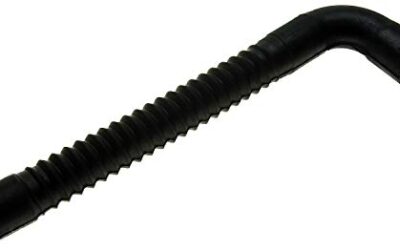
Gates 23283 Premium Molded Coolant Hose
The Gates 23283 is a molded upper radiator hose for the later Jeep Cherokee XJ, made for owners replacing the hose from the thermostat housing to the top of the radiator. Gates is a long established name in coolant hoses.
View the Gates 23283 Premium Molded Coolant Hose on Amazon
The listing describes the Gates 23283 as a premium molded coolant hose in black, made from EPDM rubber with synthetic fiber reinforcement. It is listed for the 1995 through 2001 Jeep Cherokee with the 4.0 liter inline six cylinder engine and left hand drive. The hose meets SAE 20R4 Class D2 and DIN 73411 Class A standards, and it is built to resist electrochemical degradation, the leading cause of coolant hose failure. The listed temperature range runs from minus 40 degrees Celsius to 135 degrees Celsius. The cover is heat and ozone resistant, and the hose is engineered to resist vacuum collapse.
This hose suits a 1995 through 2001 XJ owner whose upper hose is soft, swollen, or weeping at the thermostat housing or radiator neck. It follows the factory routing, so fitting it means draining enough coolant to work below the hose, removing the old clamps, and fitting the new hose in place. Because it is molded, there is no trimming to do, and the bends sit where the factory hose sat. The hose is sold individually, without clamps, so order fresh clamps with it. It covers the upper position only, and earlier XJs use a different upper hose shape.
Gates 21615 Premium Molded Coolant Hose
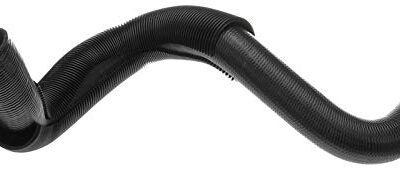
The Gates 21615 is a molded lower radiator hose for the Jeep Cherokee XJ with the 4.0 liter engine. The lower hose carries coolant from the bottom of the radiator back to the water pump, and it runs close to the steering gear and the frame rail, so a hose that holds its shape and resists chafing matters here.
View the Gates 21615 Premium Molded Coolant Hose on Amazon
The listing describes the Gates 21615 as a premium molded coolant hose in black, made from EPDM rubber with synthetic fiber knit reinforcement. It is listed for the 1987 through 2001 Jeep Cherokee with the 4.0 liter six cylinder engine and left hand drive. The hose has an inside diameter of 37 millimeters at one end and 45 millimeters at the other, with a centerline length of 528 millimeters. It meets SAE 20R4 Class D2 and DIN 73411 Class A standards, and the listed temperature range runs from minus 40 degrees Fahrenheit to 257 degrees Fahrenheit.
This hose suits any 1987 through 2001 XJ owner replacing a lower hose that has gone soft, swollen, or begun to collapse. The lower hose is the one most likely to fail without visible warning, because it can soften from the inside while the outside still looks acceptable. The molded shape follows the factory routing past the steering gear, and the stepped end diameters match the radiator outlet and the water pump inlet.
Two points are worth noting. First, the fitment notes call for a protective sleeve, because the lower hose runs close to parts that can chafe it. If your original hose had a sleeve, transfer it or fit a new one. Second, this hose does not include a spring. Some lower hoses use an internal spring to prevent collapse under suction from the water pump, and this Gates hose is built with reinforcement that resists collapse without one. It is sold without clamps, so plan for fresh clamps and a coolant refill.
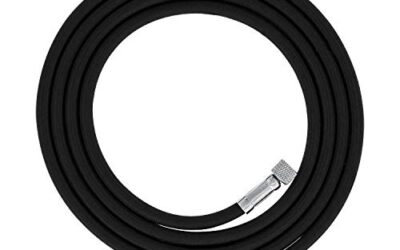
Silicone Radiator Coolant Hose Kit for Jeep Cherokee XJ 4.0L 1991-2001, Black

The silicone radiator coolant hose kit is the pick for an owner who wants to replace the upper and lower radiator hoses in one job and move to silicone at the same time. The kit includes molded silicone hoses shaped for the 1991 through 2001 Jeep Cherokee XJ with the 4.0 liter six cylinder engine, covering both main radiator hoses in a single package.
View the Silicone Radiator Coolant Hose Kit for Jeep Cherokee XJ 4.0L on Amazon
The listing describes this kit as a silicone radiator coolant hose set with upper and lower hoses, made for the 1991 through 2001 Jeep Cherokee XJ with the 4.0 liter six cylinder engine. The hoses are black silicone, molded to the routing of the XJ cooling system. Silicone handles higher temperatures than rubber and stays flexible over a long service life, which makes it a popular choice for XJs that tow, climb, or spend time off road in hot conditions. The kit replaces the two main radiator hoses, so it pairs well with a coolant flush.
This kit suits an owner refreshing the whole radiator hose set who prefers silicone over rubber. It is also a good choice for an XJ that runs hot in traffic or on trails, where the extra heat tolerance of silicone is useful. Because the kit covers both hoses, it saves a second round of draining and refilling later.
A few honest considerations apply. Buyer feedback on the listing notes that some owners needed to trim a hose for fit, and that the bends on the lower hose should be checked carefully against the factory routing before the clamps are tightened. Dry fit both hoses first, and confirm that neither hose touches the fan, the exhaust manifold, or the steering gear. Silicone also allows a small amount of coolant vapor to pass through the hose wall over time, so check the coolant level on a regular schedule. Clamps are not listed as included, so have fresh clamps ready.
Comparing the Three Hoses
| Hose | Position | Material | Fits Jeep Cherokee XJ 4.0L | Notes |
|---|---|---|---|---|
| Gates 23283 | Upper radiator | EPDM rubber | 1995-2001 | Molded; SAE 20R4 D2; DIN 73411 A; minus 40 to 135 degrees Celsius |
| Gates 21615 | Lower radiator | EPDM rubber | 1987-2001 | Molded; stepped ends 37 and 45 millimeters; protective sleeve required; no spring |
| Silicone Radiator Coolant Hose Kit | Upper and lower radiator | Silicone | 1991-2001 | Both main hoses; check fit and trim if needed; check coolant level regularly |
The two Gates hoses are single position replacements in molded EPDM rubber, built to SAE and DIN standards. The silicone kit covers both positions in one package and trades rubber for the higher heat tolerance and long flexibility of silicone, with a fit check needed during installation. If only one hose has failed, the matching Gates hose is the simplest fix. If both radiator hoses are original, the silicone kit replaces both at once.
Choosing the Right Hose for Your XJ
Begin with the model year. The lower hose in this guide fits the full 1987 through 2001 run of the 4.0 liter XJ, while the upper hose fits 1995 through 2001 models and the silicone kit fits 1991 through 2001 models. On a 1987 through 1994 XJ, the lower hose is a direct match and the upper hose needs a different part number.
For a daily driver, molded EPDM rubber hoses are the proven choice. They match the factory construction, they fit without trimming, and they are built to the same standards as the hoses the XJ left the factory with. Replacing the upper and lower hoses together during a coolant flush is the most thorough approach, and pairing the two Gates hoses gives a matched rubber set.
For an XJ that tows, climbs steep grades, or spends weekends on trails, silicone has real advantages. Silicone stays flexible at higher temperatures and does not harden with age the way rubber can, so it holds up well in an engine bay that runs hot for hours at a time. Just remember the fit check during installation and the regular coolant level checks that silicone calls for.
Replacing one hose is a smaller job than replacing the set, and a single hose can be fitted with a partial drain. Replacing both radiator hoses and the heater hoses at once means a full drain and refill, but the cooling system is refreshed in one session rather than opened again in a few months. Whichever route you take, replace the clamps at the same time.
Installation and Care Tips
Let the engine cool fully before opening the cooling system, and drain enough coolant to work below the hose you are replacing. Coolant is toxic, so catch it in a container and dispose of it properly rather than letting it run onto the ground.
Clean the fittings before fitting the new hose. The thermostat housing neck and the radiator necks collect scale and old rubber, and a clean, smooth surface seals far better than a rough one. Slide the new clamps onto the hose before pushing it onto the necks, then position the hose so the bends sit naturally without twist or tension. A twisted hose pulls at the clamps and can leak at the joint. Tighten the clamps evenly, and do not over tighten, because an over tightened clamp can cut into a new hose.
After fitting, refill the system with the correct coolant for your XJ and bleed the air out. The 4.0 liter engine can trap air in the cooling system, and trapped air causes hot spots and a temperature gauge that reads high. Run the engine with the heater on and the radiator cap off until the thermostat opens and the coolant level settles, then top up and fit the cap. Check the hose joints for weeping after the first drive and again after a few heat cycles.
Ongoing care is simple. Squeeze the hoses at each coolant service and look for soft spots, swelling, or cracks near the clamp ends. A hose that feels spongy or shows cracking at the ends is ready for replacement. Check the coolant level regularly, especially with silicone hoses. Inspect the lower hose where it passes the steering gear, and make sure the protective sleeve is in place. Replacing hoses before they fail beats handling a burst hose on the road.
Frequently Asked Questions
Which hoses should I replace on a Jeep Cherokee XJ?
The main radiator hoses are the upper and lower hoses, and the heater hoses run from the engine to the heater core through the firewall. If your XJ still has its original hoses, replacing the upper and lower radiator hoses together is the best first step, and inspecting the heater hoses at the same time is wise. Hoses in the same cooling system age together, so a soft upper hose usually means the lower hose is not far behind.
How do I know if my XJ radiator hose has failed?
Common signs are a visible coolant leak under the vehicle, a hose that feels soft or spongy when squeezed, swelling near the clamp ends, cracks in the rubber, or a collapsed lower hose. A hose can also fail from the inside through electrochemical degradation, so a hose that looks acceptable on the outside can still be weak. If the hose is more than a few years old or its age is unknown, replacing it is sensible preventive maintenance.
Do I need a spring inside the lower radiator hose?
Some lower radiator hoses use an internal spring to stop the hose collapsing under suction from the water pump. The Gates 21615 lower hose in this guide is built with synthetic fiber reinforcement that resists collapse and does not include a spring. If your original lower hose had a spring and it is still in good condition, you can transfer it, but the molded Gates hose is designed to hold its shape without one.
Are silicone hoses better than rubber hoses for an XJ?
Silicone hoses handle higher temperatures and stay flexible longer than rubber, which makes them attractive for XJs that tow or run hot off road. Rubber hoses built to SAE and DIN standards are proven, fit without trimming, and match the factory construction. Silicone allows a small amount of coolant vapor through the hose wall, so the coolant level needs checking more often. The choice depends on how the XJ is used and whether you are willing to check the fit and the coolant level carefully.
Can I replace just the upper radiator hose?
Yes. If only the upper hose has failed and the lower hose is still firm and free of cracks, replacing the upper hose alone is a reasonable repair. Drain enough coolant to work below the upper hose, fit the new hose with fresh clamps, refill, and bleed the air. Check the lower hose while the system is open, because if it is soft or swollen, replacing it at the same time saves opening the system again soon after.
Conclusion
The best quality aftermarket hoses for Jeep XJ owners are molded hoses made for the 4.0 liter Cherokee, built from proven materials, and matched to the correct model year. The Gates 23283 covers the upper radiator hose on 1995 through 2001 models, the Gates 21615 covers the lower radiator hose across the full 1987 through 2001 run, and the silicone kit replaces both main radiator hoses on 1991 through 2001 models for owners who prefer silicone. Match the part number to your year, fit fresh clamps, and check the hoses at every service.
Disclosure: As an Amazon Associate, we earn from qualifying purchases.