Key takeaways
- Find the best rad hoses for cars and trucks, with molded upper and lower picks by fit, hose diameter, material and temperature range covered before you buy.
A radiator hose looks simple until it fails, and then a small split can leave you stranded with steam under the hood. These hoses carry hot coolant between the engine and the radiator, so they must bend to fit, seal under pressure and survive years of heat cycles. The right hose matches your vehicle exactly, because a hose that is close in size but wrong in shape will kink, rub or leak. A hose that fits badly will kink, rub or leak, and the first sign is often a sweet smell or a puddle under the car.


This guide is for drivers who replace a worn hose themselves or want to understand what a mechanic is fitting. The four hoses below were chosen from the names and specifications on their Amazon pages, comparing hose type, fit, material and temperature range so you can pick a hose that seals first time and lasts.
Quick Picks
As an Amazon Associate we earn from qualifying purchases
| Product | Best for | Key spec from title |
|---|---|---|
| Gates 21431 Premium Molded Coolant Hose | Multi-use coolant jobs | Premium molded hose for upper, lower and bypass |
| Gates 21941 Lower Radiator Hose | Lower radiator replacement | 23.28-inch EPDM lower hose |
| Gates 22894 Premium Molded Coolant Hose | OEM-spec molded fit | Molded hose, OEM part number 52028986AA |
| Gates 22322 Upper Radiator Hose | Upper radiator replacement | Molded upper hose, heat and ozone resistant |
How to Choose
Hose position and shape
Radiator hoses are molded to a shape, not just a size, so position matters as much as diameter. An upper hose runs from the engine to the top of the radiator, while a lower hose runs from the bottom of the radiator back to the water pump, and the two are rarely interchangeable. A molded hose keeps its bends without kinking, which protects coolant flow at full temperature. Always match the hose to its position on your vehicle and check the part number against your year, make and model before ordering. Check the old hose for the part number stamped on its surface before you order a replacement.
Diameter and length
A hose that is a fraction too small will not slide over the fitting, and one that is too large will never seal, no matter how tight the clamp. Measure the inside diameter of the old hose and the length between fittings, then compare both figures with the listing. Multi-use hoses such as the Gates 21431 cover several coolant jobs, but they still need the right diameter for your fitting. When in doubt, order by the vehicle-specific part number rather than by rough size alone. Keep the old hose until the new one is fitted, so you can compare size and shape side by side.
Material and temperature range
Most radiator hoses are made from EPDM rubber with synthetic fiber reinforcement, a combination that resists heat, ozone and coolant chemicals. Gates molded hoses carry a temperature rating from minus 40 degrees Fahrenheit to 275 degrees Fahrenheit in coolant, which covers cold starts and hot summer traffic alike. Look for hoses engineered to resist electrochemical degradation, since that is the leading cause of hose failure from the inside. A hose that stays flexible when cold and firm when hot will seal better for longer. Silicone hoses last longer and handle higher temperatures, but they cost more than standard EPDM rubber hoses.
Clamps, fitment and inspection
A new hose deserves new clamps, because old clamps lose tension and bite unevenly into fresh rubber. Check the fitting surface for corrosion or rough edges before sliding the hose on, and seat the hose fully over the raised bead on the fitting. After fitting, run the engine to temperature, check for weeping at both ends, and recheck the clamps after the first heat cycle. Inspect hoses every season for soft spots, bulges and cracks near the clamps, since those are the places that fail first. A pressure test after fitting will show any weak seal before the hose sees real driving conditions.
The 4 Best Options
Gates 21431 Premium Molded Coolant Hose
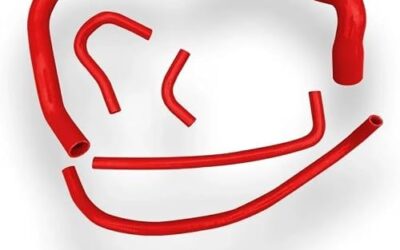
The Gates 21431 is a versatile premium molded coolant hose that fits upper, lower, bypass, heater and other coolant jobs, which makes it a useful pick when one hose must cover several applications. It is made in the USA to OEM specifications, with a heat and ozone resistant cover and materials engineered to resist electrochemical degradation. The molded shape holds its bends without kinking, and the re-engineered construction resists vacuum collapse, which removes the need for internal springs in many applications. That makes it a sensible spare to keep on the shelf for several different coolant jobs around the car.
Specs
- Premium molded coolant hose
- Fits upper, lower, bypass and heater applications
- Heat and ozone resistant cover
- Resists electrochemical degradation
Best for: Drivers who need one quality molded hose for several coolant jobs.
Watch out for: Confirm the inside diameter fits your fitting before ordering.
Gates 21941 Lower Radiator Hose
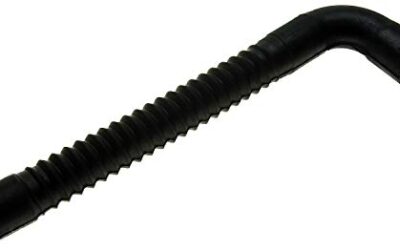
The Gates 21941 is a lower radiator hose built from durable EPDM with synthetic fiber reinforcement, made to carry coolant from the radiator back to the water pump. At 23.28 inches long it suits the lower run on many vehicles, and its molded shape keeps coolant flowing without kinks or flat spots. The EPDM construction resists heat and ozone, while the fiber reinforcement helps the hose hold its shape under suction from the water pump at high revs. Replace it at the first sign of softness, since a collapsed lower hose can overheat the engine in minutes.
Specs
- Lower radiator hose, 23.28 inches long
- EPDM with synthetic fiber reinforcement
- Molded shape for kink-free coolant flow
- Item model number 21941
Best for: Replacing a worn lower radiator hose with an OEM-spec part.
Watch out for: Lower hoses are vehicle-specific, so verify fitment for your exact model.
Gates 22894 Premium Molded Coolant Hose
The Gates 22894 is a premium molded coolant hose engineered to OEM quality for upper, lower, bypass and heater applications. It replaces OEM part number 52028986AA, which makes fitment checks straightforward when that number matches your vehicle. The molded design follows the original routing, so it seats cleanly without forcing bends, and the heat resistant construction handles the full temperature range of a working cooling system. Keep the old hose for comparison until the new one is fitted and checked for leaks at both ends. A hose that matches the OEM number removes guesswork about shape, diameter and routing.
Specs
- Premium molded coolant hose
- OEM part number 52028986AA
- Fits upper, lower, bypass and heater applications
- Item model number 22894
Best for: Drivers who want an OEM-numbered molded hose with a confirmed fit.
Watch out for: Check the OEM part number against your vehicle before you buy.
Gates 22322 Upper Radiator Hose
The Gates 22322 is a molded upper radiator hose made to fit specific applications, with a heat and ozone resistant cover and materials that resist electrochemical degradation. It carries hot coolant from the engine to the radiator, and its molded bends keep flow smooth through tight engine bays. The heat resistant cover survives years of hot coolant cycles. The hose meets SAE 20R4 and 20R3 Type EC Class D-1 and D-2 specifications, with a temperature rating from minus 40 to 275 degrees Fahrenheit in coolant.
Specs
- Molded upper radiator hose
- Heat and ozone resistant cover
- SAE 20R4 and 20R3 Type EC Class D-1 and D-2
- Temperature rating minus 40 to 275 degrees Fahrenheit
Best for: Replacing a worn upper radiator hose on a matching vehicle.
Watch out for: Upper and lower hoses are not interchangeable, so confirm the position.
Which One Fits Your Situation
You need one hose for several coolant jobs
Choose the Gates 21431, because it is made for upper, lower, bypass and heater applications in one molded hose. Check the inside diameter against your fitting first, then seat it fully over the bead. Fit new clamps and recheck them after the first heat cycle, since fresh rubber settles and can loosen the grip.
Your lower hose is soft or swollen
Pick the Gates 21941, which is built as a lower hose with EPDM and fiber reinforcement to resist suction collapse. Inspect the water pump fitting for corrosion before fitting, and replace the clamps at the same time. A soft lower hose can collapse at high revs and overheat the engine. Check the fitting surface for pitting before you slide the new hose on.
You want a confirmed OEM-numbered fit
Go with the Gates 22894 and match its OEM part number 52028986AA against your vehicle. An OEM-numbered hose removes guesswork about shape and diameter, and the molded routing seats without forcing. Keep the old hose until the new one is fitted and checked, then run the engine and look for weeping at both ends.
Your upper hose is cracked or weeping
Buy the Gates 22322 for a molded upper replacement with a heat and ozone resistant cover. Drain some coolant before removing the old hose, clean the fitting surface, and seat the new hose fully over the bead. Run the engine to temperature and check both ends for weeping before driving.
Common Mistakes
- Ordering by rough size instead of the vehicle-specific part number, which leads to hoses that kink or never seal.
- Reusing old clamps on a new hose, since worn clamps lose tension and leak at the ends.
- Fitting an upper hose in a lower position, or the reverse, because the shapes and diameters differ.
- Ignoring soft spots and bulges near the clamps, which are the first signs of a hose about to fail.
- Skipping the recheck after the first heat cycle, when new rubber settles and clamps can loosen.
Frequently Asked Questions
How do I know which radiator hose my car needs?
Start with your year, make, model and engine size, then match the part number for the position you need, upper or lower. Measure the inside diameter and length of the old hose and compare them with the listing. When a listing gives an OEM part number, such as 52028986AA on the Gates 22894, matching that number is the surest check.
How long do radiator hoses last?
Most radiator hoses last several years, but heat, ozone and coolant chemicals wear them from the inside out. Inspect hoses every season by squeezing them near the clamps and looking for cracks, soft spots or bulges. Replace a hose that feels mushy, shows surface cracks or weeps coolant, even if it has not burst yet. Check hoses every season and replace mushy ones early.
Should I replace the clamps with the hose?
Yes, fit new clamps with every new hose, because old clamps lose tension and bite unevenly into fresh rubber. Use the correct clamp size for the hose diameter and tighten evenly without crushing the rubber. Recheck the clamps after the first heat cycle, since new rubber settles and can loosen the grip.
Can a bad radiator hose cause overheating?
Yes, a collapsed, kinked or leaking hose restricts coolant flow and can overheat the engine quickly. A lower hose that collapses under suction at high revs is a common cause, as is a split hose that loses coolant. If the temperature gauge climbs suddenly, stop safely and check the hoses and coolant level before driving on.