Key takeaways
- Find the best quality airbrush hoses for leak-free airflow, kink resistance, and a secure fit. Compare 5 durable braided hoses for every setup.
The best quality airbrush hoses are the quiet heroes of any airbrush setup. The airbrush and the compressor get most of the attention, yet the hose between them decides whether air arrives smoothly, steadily, and without leaks. A cheap hose kinks, twists, and lets air escape at the fittings, and every one of those flaws shows up in the paintwork as pulsing, spitting, or uneven coverage. A well-made hose disappears into the background, flexing where it needs to flex and holding pressure exactly where it should.
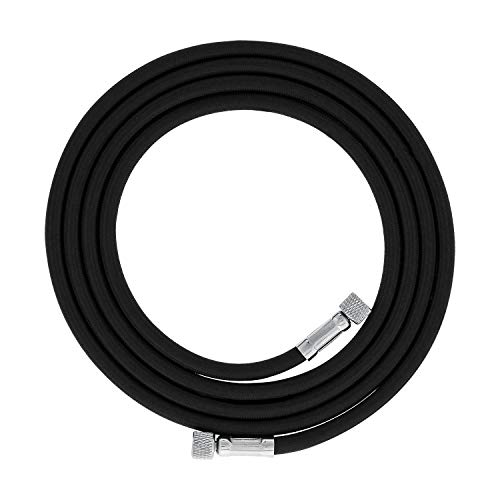
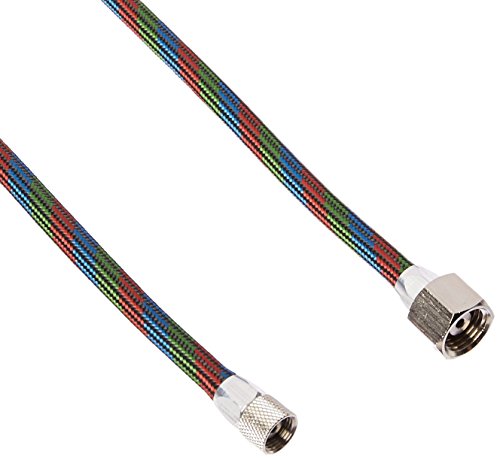
This guide looks at five braided airbrush hoses that stand out for build quality, fitting security, and everyday reliability. Every hose here uses a braided outer cover, which is the single most useful marker of a quality hose, and every one connects to the common compressor and airbrush thread sizes used by the major brands.
How to Choose
1. Braided Cover Material
The outer cover is the first thing to check. Nylon braiding is the standard for quality airbrush hoses because it resists kinking, tangling, and abrasion while staying light and flexible. A plain plastic or rubber hose of the same length is more likely to develop a permanent kink where it bends around the edge of a bench, and a kink narrows the air path and causes pulsing at the nozzle. Look for a tightly woven cover with no loose threads or thin patches, and check that the braid runs evenly from one fitting to the other. A hose with a PVC inner core under a nylon braid gives a useful combination: the core carries the air, and the braid protects it from scuffs, paint, and solvent splashes.
2. Length and Working Reach
Length decides how freely you can move around a model, a canvas, or a cake. Six feet is enough for a compact bench where the compressor sits beside the work, while ten feet suits a larger bench or a compressor placed on the floor or a lower shelf. Longer hoses give more freedom, but they also add weight and can drag across a work surface, so match the length to the layout of your space rather than simply buying the longest hose available. For most home users, six to ten feet is the sweet spot, and it keeps the hose light enough to move with the hand instead of pulling against it.
3. Fitting Sizes and Thread Types
Fittings cause more setup headaches than any other part of a hose, so confirm the thread sizes before ordering. Most airbrushes and many compressors use a 1/8 inch BSP fitting, while many compressors use a 1/4 inch fitting on the outlet side. A hose with 1/8 inch fittings on both ends connects directly to an airbrush and to a compressor or regulator that also takes 1/8 inch threads. A hose with a 1/8 inch fitting on one end and a 1/4 inch fitting on the other covers the common mixed setup without an extra adapter. Some brands, notably Paasche, use NPT threads on the compressor end, which look similar but do not seal the same way as BSP threads. Check the thread type listed for your compressor outlet and your airbrush inlet, and keep an adapter on hand if the two do not match.
4. Fitting Construction and Leak Prevention
A quality hose has metal fittings that are both screwed and crimped onto the hose body, so the connection cannot work loose under pressure. Fittings that are only glued or lightly crimped tend to weep air at the joint after a few months of use, and that slow leak is easy to miss until paint starts behaving oddly. O-rings at the fitting faces add a second layer of sealing and are a welcome detail on hoses that include them. Brass and zinc fittings resist corrosion from moisture in the air line, which matters because compressors pass a small amount of water vapor along with the air. Inspect the threads for clean, even cuts with no burrs, since a damaged thread can cross-thread and ruin the matching fitting on the airbrush.
5. Flexibility and Kink Resistance
A hose that fights back is a hose that ruins fine work. Braided nylon hoses are generally more supple than stiff plastic lines, and they lie flat on the bench instead of curling into the work area. Kink resistance matters most at the two ends, where the hose bends sharply as it leaves the compressor and enters the airbrush. Some hoses add a short spring or sleeve at each end to spread the bend over a longer section, and that small detail extends the life of the hose considerably. If you paint for long sessions, a lighter hose also reduces hand fatigue, since the airbrush end of the hose hangs from the hand the whole time.
6. Pressure Rating and Quick Disconnect Options
Every airbrush hose has a maximum pressure rating, and the hose should be rated comfortably above the pressure you actually spray at. Most airbrush work happens well below 60 psi, so a hose rated to 80 or 100 psi leaves a generous margin. A quick disconnect coupler is a convenience feature worth having if you swap between two or more airbrushes, because it lets you change brushes without unscrewing a fitting each time. Some quick disconnects include an airflow adjustment valve, which lets you trim the air at the hose instead of walking back to the compressor regulator. A coupler adds a little weight and length at the brush end, so users who run a single airbrush may prefer a plain hose, while anyone who changes brushes often will appreciate the coupler.
Top Picks
Master Airbrush Premium 10 Foot Nylon Braided Airbrush Hose
Master Airbrush Premium 10 Foot Nylon Braided Airbrush Hose
The Master Airbrush Premium 10 Foot hose is the most widely used braided airbrush hose on the market, and its long production run says a lot about its staying power. The hose measures ten feet long, uses a nylon braided cover over its inner tubing, and carries standard 1/8 inch BSP female fittings on both ends. It weighs 6.4 ounces, so it hangs lightly from the airbrush during long sessions, and it comes in blue, green, or silver, with the color varying by shipment. It fits Iwata, Devilbiss, and Master Airbrush equipment, as well as many other popular brands that use 1/8 inch fittings.
This hose is for the painter who wants a dependable, general-purpose hose at a sensible size. The ten-foot length covers a standard bench with room to spare, and the dual 1/8 inch fittings connect directly to most airbrushes and to compressors or regulators with matching threads. The nylon braid resists kinks and tangles, which keeps airflow steady during detailed work such as model painting, illustration, and nail art.
Caveat: the color varies by shipment, and one older cached listing showed no available offers, so confirm availability on the live page first.
Iwata-Medea Braided Air Hose, 10 Foot
Iwata-Medea Braided Air Hose, 10 Foot
The Iwata-Medea braided hose is the premium option in this roundup, built around a premium grade PVC core protected by a tightly woven nylon cover. It runs ten feet long and carries a 1/8 inch fitting on one end and a 1/4 inch fitting on the other, which matches the common arrangement of an airbrush on one side and a compressor outlet on the other. The metal fittings are both screwed in and crimped on, a construction detail that guards against leaks at the joint over years of use.
This hose is for the painter who already owns an Iwata airbrush and wants a hose from the same maker, or for anyone who wants the most carefully built hose in this group. The mixed fittings remove the need for an adapter in the most common setup, and the flexible, durable construction suits fine work where a stiff hose would drag on the hand. It is a natural match for illustration, model finishing, and custom automotive detail work.
The main caveat is the 1/4 inch end: if your compressor outlet is 1/8 inch, you will need an adapter, so check your compressor before ordering. The hose is also a straightforward hose with no quick disconnect, so painters who swap brushes often may want to add a coupler separately.
Paasche 10-Foot Nylon Braided Air Hose

Paasche 10-Foot Nylon Braided Air Hose
The Paasche 10-Foot Nylon Braided Air Hose is the hose to buy for a Paasche airbrush, and it is built to the same straightforward standard as the rest of the Paasche line. The hose is ten feet long, made from braided nylon, and fitted with couplings at both ends. It carries a 1/4 inch NPT fitting on the compressor end, and O-rings at both ends help prevent air leaks at the joints. The maximum pressure rating is 100 psi, which leaves ample headroom above normal airbrush spraying pressures.
This hose is for Paasche owners first, and for anyone whose compressor uses a 1/4 inch NPT outlet second. The O-rings keep the connection airtight without over-tightening, and the ten-foot length suits a bench where the compressor sits a little farther away. It works well for hobby painting, model work, and general airbrush use where a sturdy, no-nonsense hose is what matters.
The caveat is thread compatibility: the NPT fitting on the compressor end is not the same as a BSP fitting, so confirm that your compressor outlet accepts NPT threads, or keep the correct adapter on hand. The hose is also designed around Paasche pen-type airbrushes, so owners of other brands should check the airbrush-end fitting before ordering.
Master Airbrush 6 Foot Braided Airbrush Hose

Master Airbrush 6 Foot Braided Airbrush Hose
The Master Airbrush 6 Foot Braided Hose is the compact pick in this group, and it suits benches where the compressor sits close to the work. It measures six feet long and uses the same nylon braided construction as its longer sibling, with a 1/8 inch fitting on one end and a 1/4 inch fitting on the other. That mixed fitting pair covers the most common compressor-to-airbrush connection without an extra adapter, and it fits Iwata, Devilbiss, and Master Airbrush equipment along with many other brands that use these thread sizes.
This hose is for the painter with a small workspace, a portable compressor, or a travel kit. The shorter length means less hose dragging across the bench and less weight hanging from the airbrush, which makes it a good match for detail work, cake decorating, and fingernail art where the compressor sits right beside the hand. It also works well as a spare hose to keep in a kit bag.
The obvious caveat is reach: six feet is not enough if the compressor lives on the floor or on a distant shelf, and a hose that is too short pulls the airbrush toward the compressor at the worst moments. Measure the distance from the compressor outlet to the far edge of the work area before choosing this length.
Hseng 6 Feet Nylon Braided Airbrush Hose with Quick Disconnect

Hseng 6 Feet Nylon Braided Airbrush Hose with Quick Disconnect
The Hseng 6 Feet Nylon Braided Hose is the feature pick of this roundup, because it adds a quick disconnect coupler with an airflow adjustment control valve to an otherwise simple braided hose. The hose itself is six feet long with 1/8 inch fittings on both ends, and the included adapters cover Paasche, Iwata, and M5-0.5 spray guns. The nylon braided cover resists kinks and tangles, and the quick disconnect lets the painter swap airbrushes without unscrewing a fitting.
This hose is for the painter who runs two or more airbrushes from one compressor, or for the beginner who wants the fittings sorted out in one purchase. The adapter set removes the guesswork for owners of mixed-brand kits, and the airflow valve lets you trim the air at the hose instead of reaching for the compressor regulator. It suits hobbyists, model painters, and anyone building a first airbrush setup from parts bought separately.
The caveat is that the quick disconnect adds a little bulk and weight at the airbrush end, which some painters notice during very fine work. The six-foot length is also on the short side for larger benches, so this hose suits compact setups best. Check that the included adapters match your airbrush threads, since the adapter set covers the common sizes but not every thread in use.
Comparison Table
| Hose | Length | Fittings | Cover | Notable Feature |
|---|---|---|---|---|
| Master Airbrush Premium 10 Foot | 10 feet | 1/8 inch both ends | Nylon braided | Lightweight at 6.4 ounces |
| Iwata-Medea Braided Air Hose | 10 feet | 1/8 inch and 1/4 inch | Tightly woven nylon over PVC | Screwed and crimped metal fittings |
| Paasche 10-Foot Nylon Braided | 10 feet | 1/4 inch NPT compressor end | Nylon braided | O-rings at both ends, 100 psi maximum |
| Master Airbrush 6 Foot Braided | 6 feet | 1/8 inch and 1/4 inch | Nylon braided | Compact length for small benches |
| Hseng 6 Feet with Quick Disconnect | 6 feet | 1/8 inch both ends | Nylon braided | Quick disconnect with airflow valve and adapters |
Which One Is Right for You?
Start with the airbrush and compressor you already own, because the fittings decide most of the choice. If both ends of your setup take 1/8 inch threads, the Master Airbrush Premium 10 Foot hose is the simplest answer: it connects directly, it is long enough for a standard bench, and its nylon braid keeps it flexible. If your compressor outlet is 1/4 inch, choose a hose with mixed fittings instead, such as the Iwata-Medea hose or the Master Airbrush 6 Foot hose, so no adapter is needed.
Brand matching is the next filter. Iwata owners who want the most carefully built hose should look at the Iwata-Medea hose, while Paasche owners should look at the Paasche hose, because its NPT compressor fitting and O-ring seals are designed around Paasche equipment. Owners of mixed-brand kits, or anyone assembling a first setup, will get the most from the Hseng hose, since its adapter set and quick disconnect remove the fitting puzzle in one purchase.
Length is the last decision. Measure from the compressor outlet to the far corner of the work area, then add a foot of slack so the hose never pulls taut mid-stroke. Ten feet suits most benches, while six feet suits compact or portable setups. A hose that is too long drags and tangles, and one that is too short pulls against the hand, so the right length matches the bench, not the longest one on the shelf.
Frequently Asked Questions
What length of airbrush hose should I buy?
Ten feet suits most home benches, because it reaches from a compressor on the floor or a nearby shelf to every corner of the work area. Six feet suits a compact bench where the compressor sits beside the hand. Measure the distance from your compressor outlet to the farthest point you paint at, add a little slack, and choose the length that covers it without leaving a large coil of excess hose on the bench.
Do I need an adapter for my airbrush hose?
It depends on the thread sizes at each end of your setup. Most airbrushes use a 1/8 inch fitting, while compressor outlets are often 1/4 inch. A hose with mixed fittings, such as 1/8 inch on one end and 1/4 inch on the other, connects directly in that common arrangement. If both ends of your equipment use the same size, a hose with matching fittings on both ends is the direct fit. Check the thread type as well as the size, since NPT and BSP threads seal differently.
How do I stop an airbrush hose from leaking at the fittings?
Make sure the fittings are snug but not over-tightened, since over-tightening can damage the threads and make a leak worse. Hoses with O-rings at the fitting faces seal more reliably, and fittings that are screwed and crimped onto the hose body hold up better than fittings that are only lightly crimped. Keep the threads clean and free of dried paint, and replace a hose promptly if air escapes from the joint between the fitting and the hose body, since that joint cannot be repaired reliably.
How long does a quality braided airbrush hose last?
A braided nylon hose that is stored loosely coiled, kept away from solvents and sharp bench edges, and never kinked sharply can last for years of regular use. The most common cause of failure is a sharp bend at the fitting, which eventually cracks the inner tubing, so avoid hanging the hose by its ends or folding it tightly for storage. A hose that hisses at a fitting, feels stiff in one section, or delivers pulsing air has reached the end of its useful life and should be replaced.
Disclosure: As an Amazon Associate, we may earn from qualifying purchases.